

Kathmandu, August 29 —
A powerful flood surge originating upstream in the transboundary Bhote Koshi watershed entered Nepal on August 26, severely affecting Rasuwa, Nuwakot and Dhading districts.
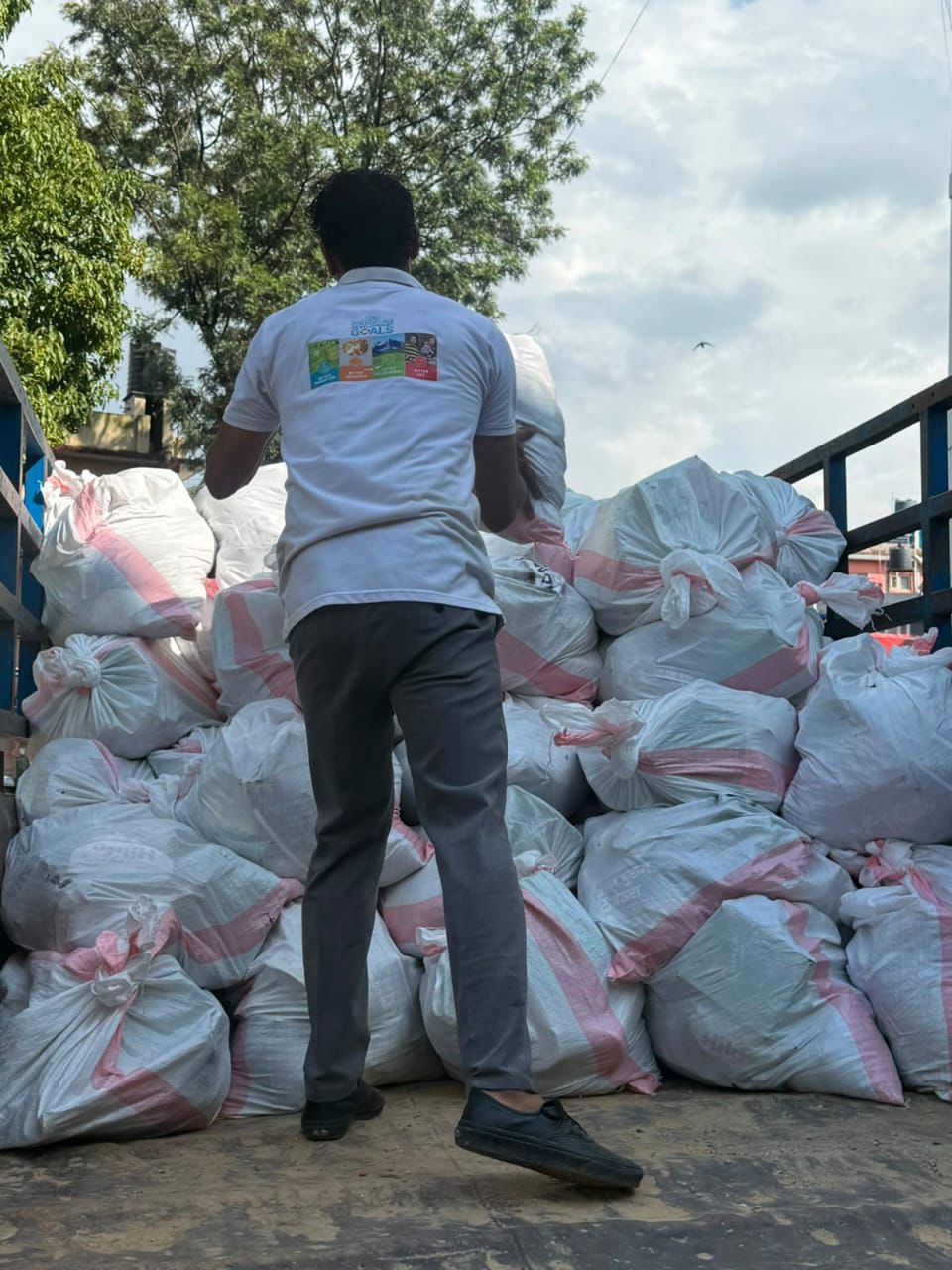
As part of the immediate response, the Food and Agriculture Organization of the United Nations (FAO) in Nepal has already dispatched emergency food packages to support more than 700 affected families.
FAO is also providing an emergency package of veterinary medicines to the Department of Livestock Services under the Ministry of Agriculture, Forests and Environment (MoAFE). The support is aimed at treating livestock, preventing disease outbreaks and maintaining animal health in flood-affected areas.
The veterinary package includes antibiotics, antiparasitic drugs, anti-inflammatory medicines, electrolytes, mineral supplements, wound-care products and other essential supplies. The assistance is expected to help protect livestock assets and support farming households whose livelihoods have been affected by the disaster.
Meanwhile, FAO has conducted rapid satellite-based assessments using Sentinel-2, Landsat-8, PlanetScope and UNOSAT imagery to assess the scale of the damage. The analysis identified extensive impacts from flooding, mudflows and sediment deposition along the affected river corridor.
According to UNOSAT mapping, approximately 20 square kilometres of mudflow and rockflow were recorded in Rasuwa, while 10–11 square kilometres were identified in Nuwakot following the flood event.
FAO estimates that around 278 hectares of cropland may have been affected by flooding, erosion and sediment deposition. Of the affected agricultural land, approximately 166 hectares were identified in Bidur, 55 hectares in Belkotgadhi, 27 hectares in Uttargaya and 26 hectares in Tarakeshwor.
Satellite analysis further indicates that approximately 2,000 people may have been exposed in Rasuwa and 4,800 people in Nuwakot as a result of the flood impacts.
The disaster struck during a critical period of the agricultural calendar, posing risks to household food stocks, standing crops, seed reserves and livestock assets, while also threatening upcoming planting and harvesting activities.
FAO is supporting the Government of Nepal in responding to the disaster through emergency food assistance, livestock health support, impact assessments, satellite-based damage analysis, coordination mechanisms and planning for the recovery and restoration of affected agricultural livelihoods.
Mr. Arun GC, Assistant FAO Representative (Programme) and Officer-in-Charge of FAO Nepal said the ongoing support is focused on helping affected farming communities protect their remaining productive assets and recover their agricultural livelihoods following the flood.